
Project overview
AWA Cypress Hills Bioblitz 2025
From June 6-8, 2025, the Alberta Wilderness Association hosted a three-day Cypress Hills Bioblitz focused on documenting regional biodiversity across taxa and habitats.
Approximately 70 participating biologists recorded over 6,000 observations of more than 1,200 species across the three days. Myotis Lens contributed 1,251 of those observations, representing approximately 462 taxa, adding a durable, photo-verified subset to the public record.
Our contribution
- 1,251 observations
- 462 taxa documented
- 3 field days
Event Overview
The Cypress Hills Bioblitz (June 6-8, 2025) was organized by Alberta Wilderness Association in collaboration with biologists, taxonomic specialists, naturalist societies, and conservation organizations from across Alberta. The goal was to document as many living organisms as possible within a concentrated three-day period on the Alberta side of Cypress Hills Interprovincial Park.
Observations were recorded and uploaded to iNaturalist, contributing to a publicly accessible dataset intended to strengthen regional biodiversity knowledge, update historical species records, and establish a contemporary baseline for future monitoring. In addition to structured field surveys, the event included expert-led presentations and public engagement activities to promote citizen science and awareness of Cypress Hills’ ecological significance.

Myotis Lens Contribution
During the three-day bioblitz, Myotis Lens worked across as many taxa as possible, prioritizing habitat breadth and field-detectable groups within the accessible sites. Field efforts emphasized georeferenced, photo-verified observations suitable for long-term public reference.
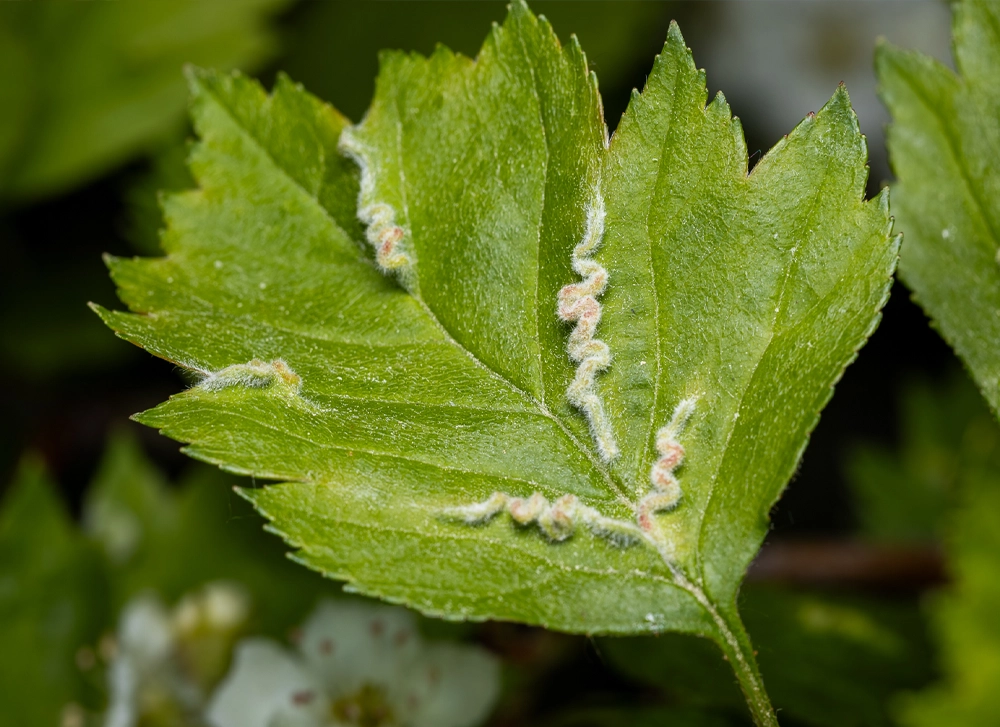
Over the course of the bioblitz, Myotis Lens submitted 1,251 observations, documenting approximately 462 taxa across plants, fungi, insects, arachnids, birds, and other groups. While many records were identified to species, some taxa were documented to genus or family level where current taxonomic resolution or available field characteristics limited finer identification.
All observations were uploaded to the official iNaturalist project, contributing to a publicly accessible biodiversity dataset intended to support future research, monitoring, and conservation planning in Cypress Hills.

Why Public Datasets Matter
Publicly accessible biodiversity records create a durable scientific archive that extends beyond the lifespan of any single report or project. By contributing georeferenced, photo-documented observations to platforms such as iNaturalist, species records remain open to verification, taxonomic refinement, and future analysis.
Transparent datasets allow land managers, researchers, and communities to revisit ecological conditions over time, strengthening long-term stewardship and ensuring that biodiversity documentation remains part of the public record.
The Alberta Wilderness Association published the Cypress Hills Bioblitz Final Report documenting outcomes from the three-day event.