
Living with wind energy
Bats and turbines can share the sky.
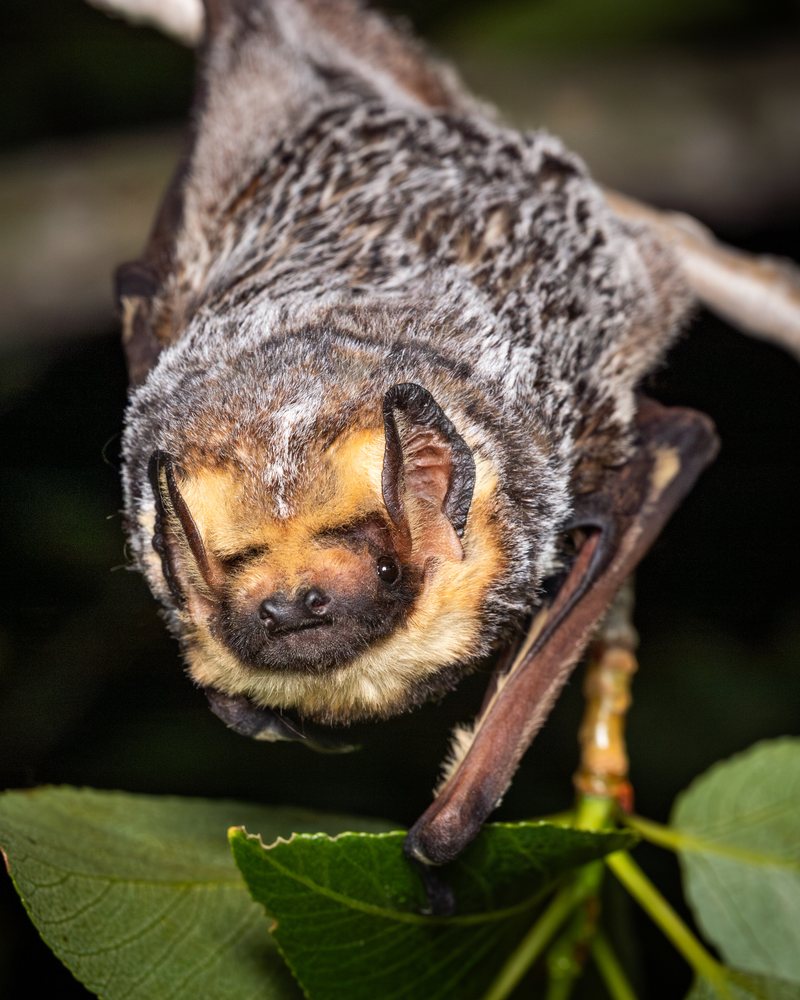
Each summer, hoary and silver-haired bats raise their young in Alberta before leaving for the winter. These are the two species most often killed at wind farms in the province, with deaths peaking during fall migration. In its 2024 statement, the North American Society for Bat Research estimated that roughly 10,000 bats a year may be killed at Alberta's wind turbines, and possibly more than a million across North America in 2023. The Alberta figure was based on 900 turbines; the province now has about 1,800. In 2023, COSEWIC assessed both species, along with the eastern red bat, as Endangered, identifying wind turbine collisions as a substantial threat. Females raise one litter a year of one or two pups (up to four for eastern red bats), so turbine losses can add up faster than the population can replace them.
A 2021 study by Friedenberg and Frick modelled hoary bat populations across the United States and Canada as wind energy continues to expand. It found that turbine deaths may have already caused substantial declines. No one knows exactly how many hoary bats there are, because they roost alone in trees and migrate long distances; experts estimated between 1 and 10 million. Starting from their middle estimate of about 2.25 million in 2012, the model projected that the population would fall by half by 2028 without steps to reduce turbine deaths. That result held even when the model assumed the bats reproduced well and fewer new wind farms were built.
The encouraging part is that most of these losses are preventable. The majority happen on calm, low-wind nights during late summer and fall migration, exactly when turbines generate the least power. Slowing or feathering the blades until the wind picks up on those nights, a practice called curtailment, cut bat fatalities by about 60 percent in a southwestern Alberta trial. Across studies, the North American Society for Bat Research estimates average reductions of 68 to 80 percent for bats overall at a 6 m/s cut-in speed, the wind speed at which turbines start generating power, with blades feathered below that speed so they barely turn. The Society adds that larger reductions, which higher cut-in speeds can achieve, will be needed if bat populations are lower than experts expect, action is delayed, or curtailment isn't adopted everywhere. Friedenberg and Frick concluded that reducing bat deaths at wind farms quickly and widely could help manage the risk of hoary bat decline and extinction, though how far that mortality needs to be reduced is still uncertain.
Independent conservation
Better information. Practical conservation.
Protecting migratory bats as wind energy grows requires reliable evidence and collaboration. The North American Society for Bat Research has called for standardized collection and reporting of bat fatality data, including open access to it. Consistent, accessible records would help researchers track cumulative impacts and test whether mitigation is working. My focus is on making this evidence easier to find and reuse, and on developing tools to support better conservation decisions.
In April 2026 I submitted an access-to-information request, in my own name, to Alberta Environment and Protected Areas. It seeks records on the population status of hoary bats in Alberta, on confidentiality designations applied to bat mortality monitoring data from wind facilities, and on communications about the disclosure of that data.
This request, and the work on this page, is my own initiative and is not directed by any organization I work with. My aim is to improve public understanding and help identify practical ways to reduce bat deaths at wind facilities.
After reviewing the released records, I will publish a plain-language summary of the findings, with clear sources and limitations and supporting records where appropriate. It will appear on the Lasionyx website, independent of the tool's development. Given the volume of records, this will take time, and findings may be released in stages. Personal information will not be published, and the records are requested for public-interest research, not commercial use.
i
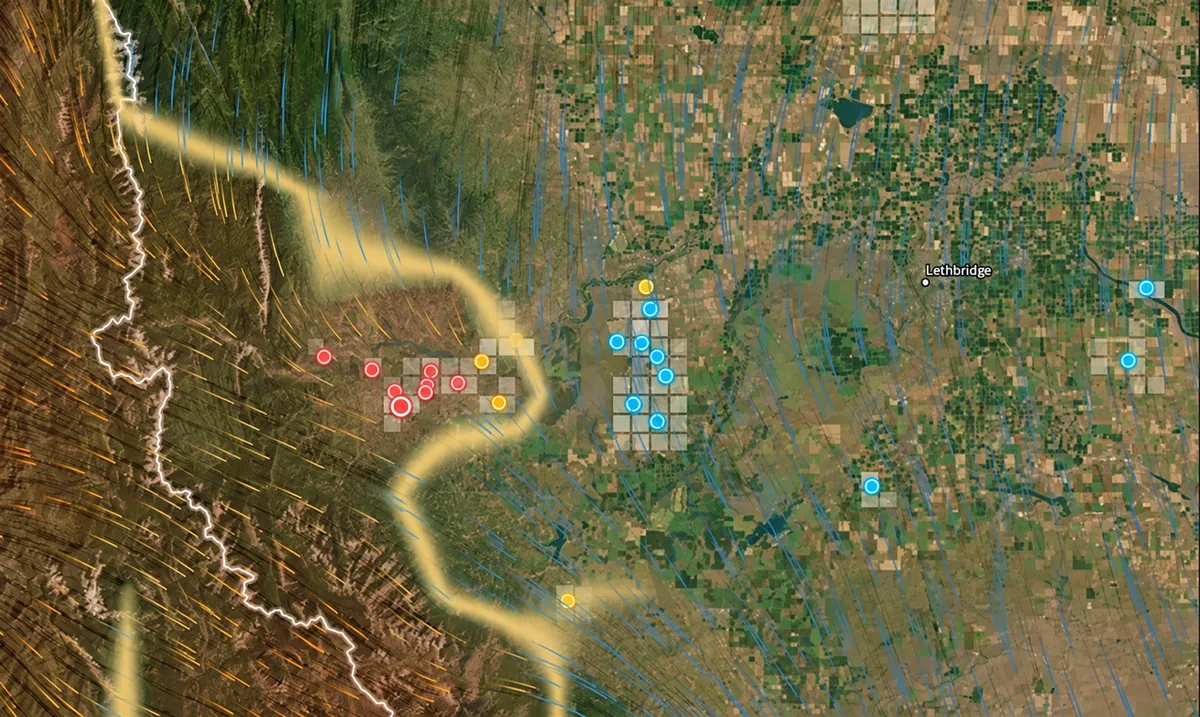
Lasionyx development preview. Forecast winds over southern Alberta wind farms, one part of the wider tool. Satellite imagery: Esri and contributors.
In development
Lasionyx
I am developing Lasionyx as a free public tool that brings together bat monitoring reports, weather information and public wind-generation records. People will be able to explore findings by farm and year, see reported protection measures, follow the original sources and identify gaps in coverage. Historical analysis compares the electricity generation and market value associated with hours selected by different curtailment rules. Together, these records can help researchers, operators, regulators and the public investigate conservation questions and identify where better data are needed. Lasionyx will remain accessible to anyone, with no paywall.
Lasionyx's forecast shows, before dusk, which night hours at Alberta wind farms meet a curtailment rule based on weather linked to bat activity. The aim is to let operators, regulators and the public see ahead of time when curtailment would apply. The forecast does not detect bats, and on its own it cannot say which hours are safe for turbines to run.
I will keep refining the forecast as more data become available. Operator records could provide valuable additional evidence, including turbine-level wind and power records (SCADA) and, at some sites, recordings of bat activity on the turbines. Where operators are willing to share current or past records, Lasionyx can be tested against conditions at rotor height, and its cost estimates refined. Where that isn't possible, I am seeking funding to put acoustic and weather stations on existing structures to calibrate the forecast. The work starts in Alberta, with other provinces planned. Evaluating whether a protection measure reduces deaths requires well-designed fatality monitoring. The forecast has not yet been tested against local bat data.
Research partnerships
I welcome collaboration with wind-energy operators, researchers, conservation organizations, wildlife monitoring networks and owners of towers and other infrastructure to develop and evaluate approaches that protect bats while supporting renewable energy production.
Free to download
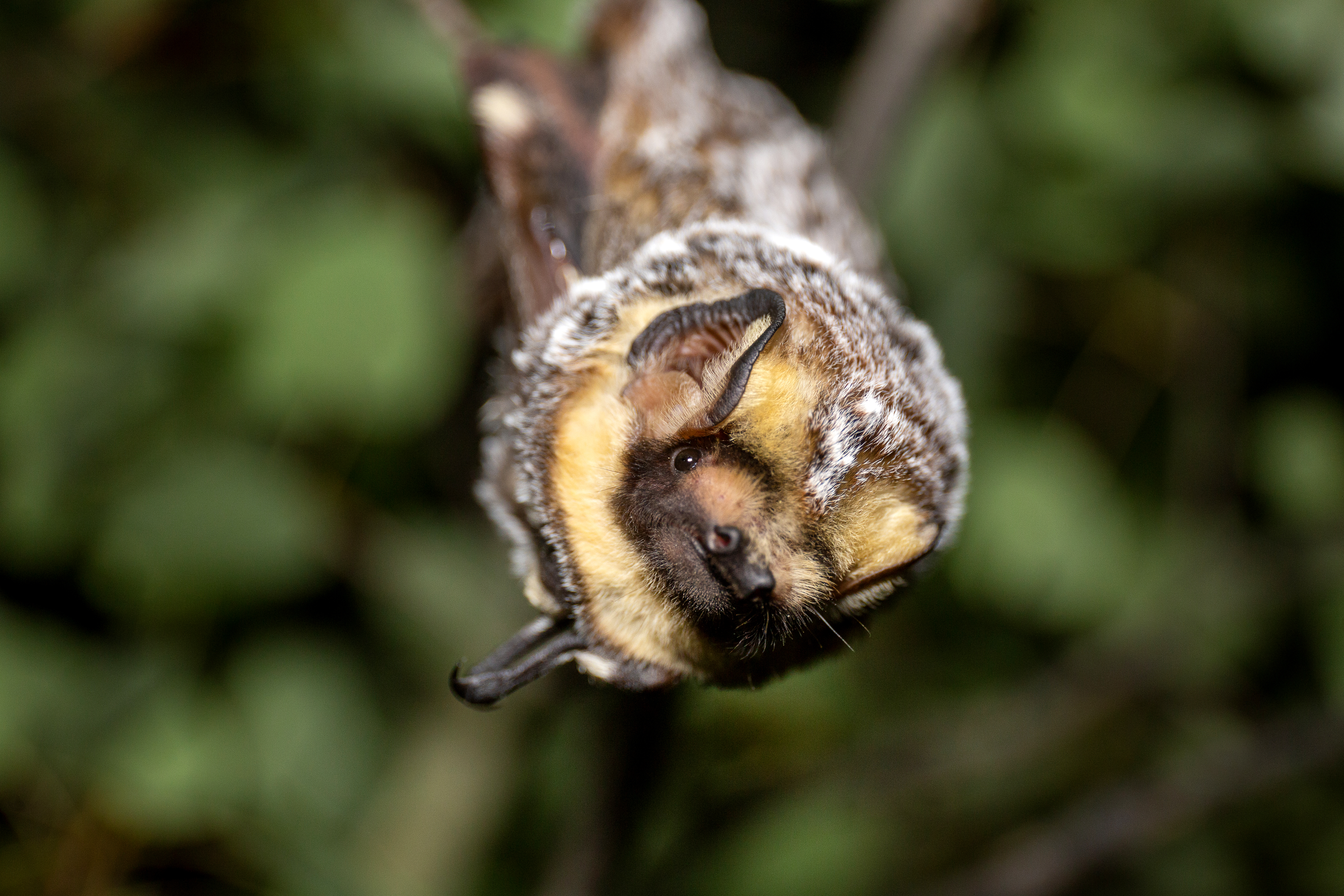
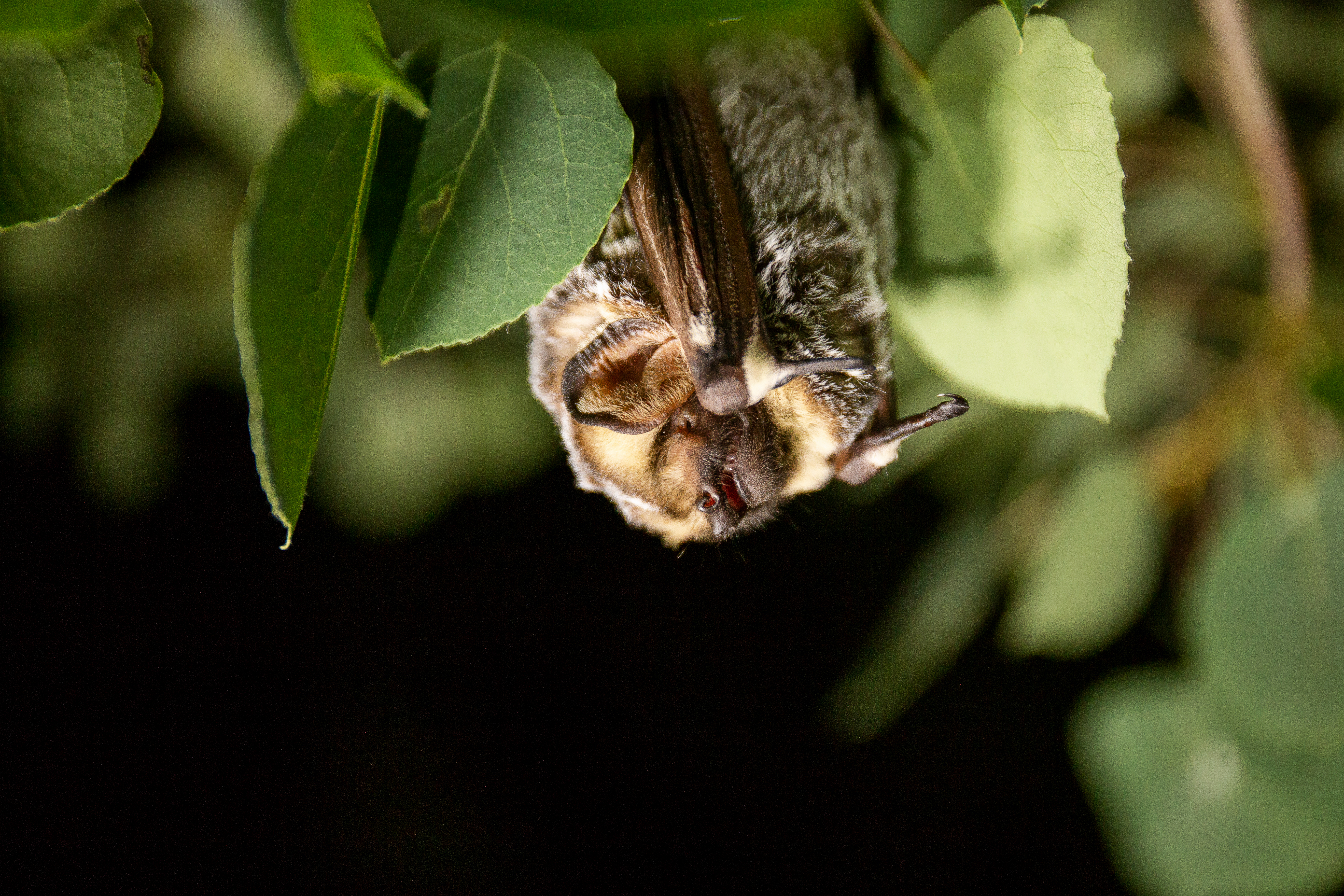
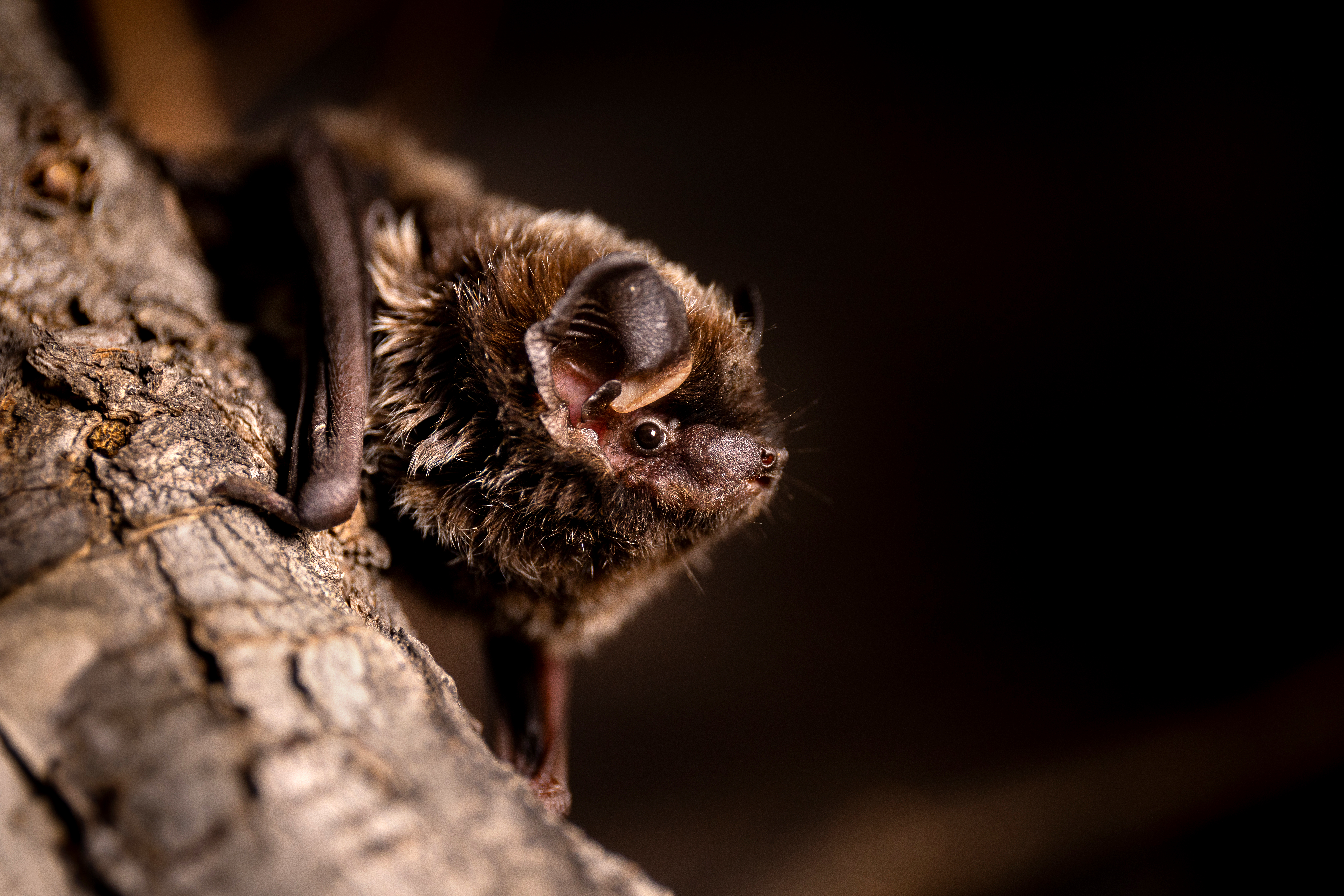
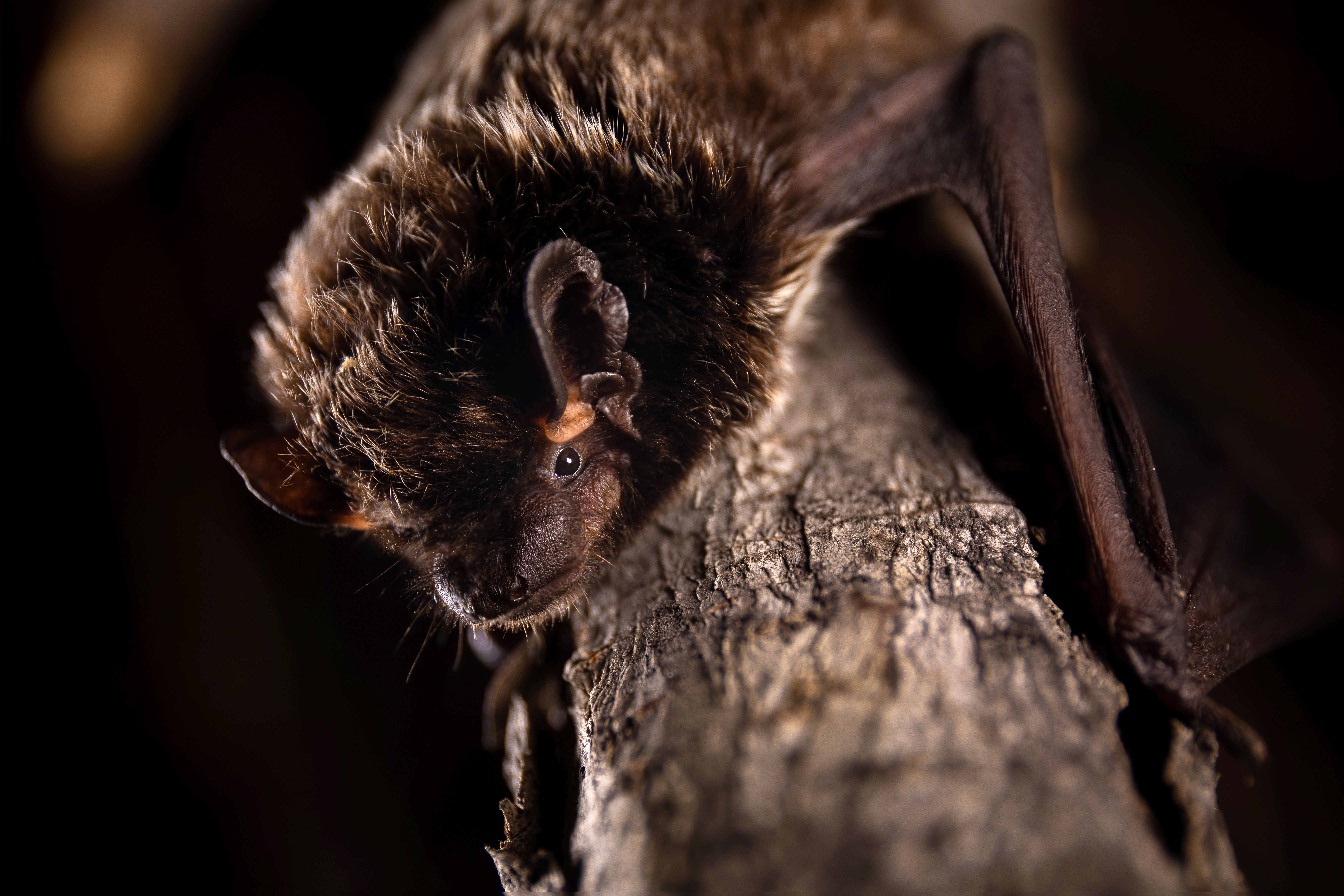
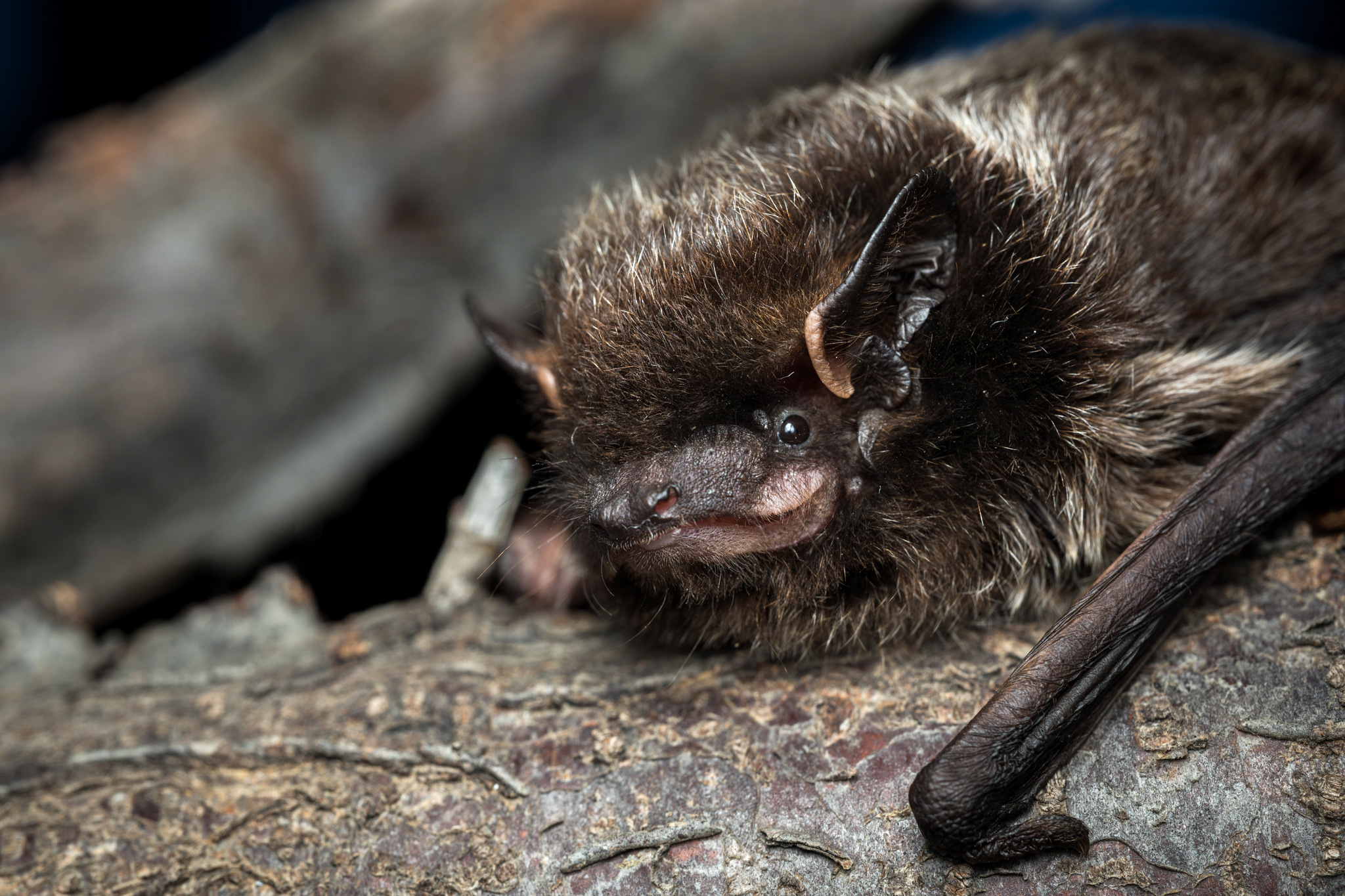
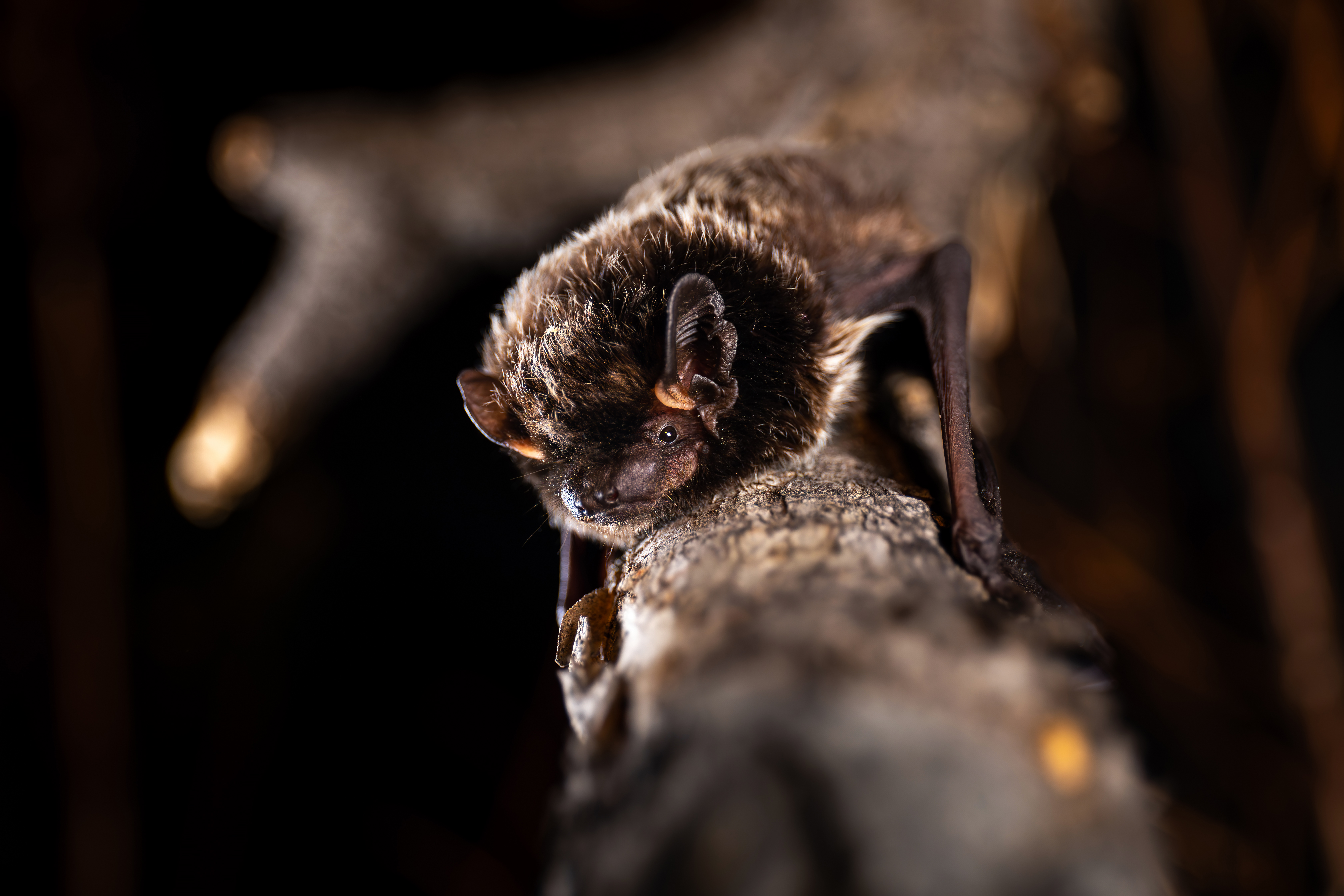
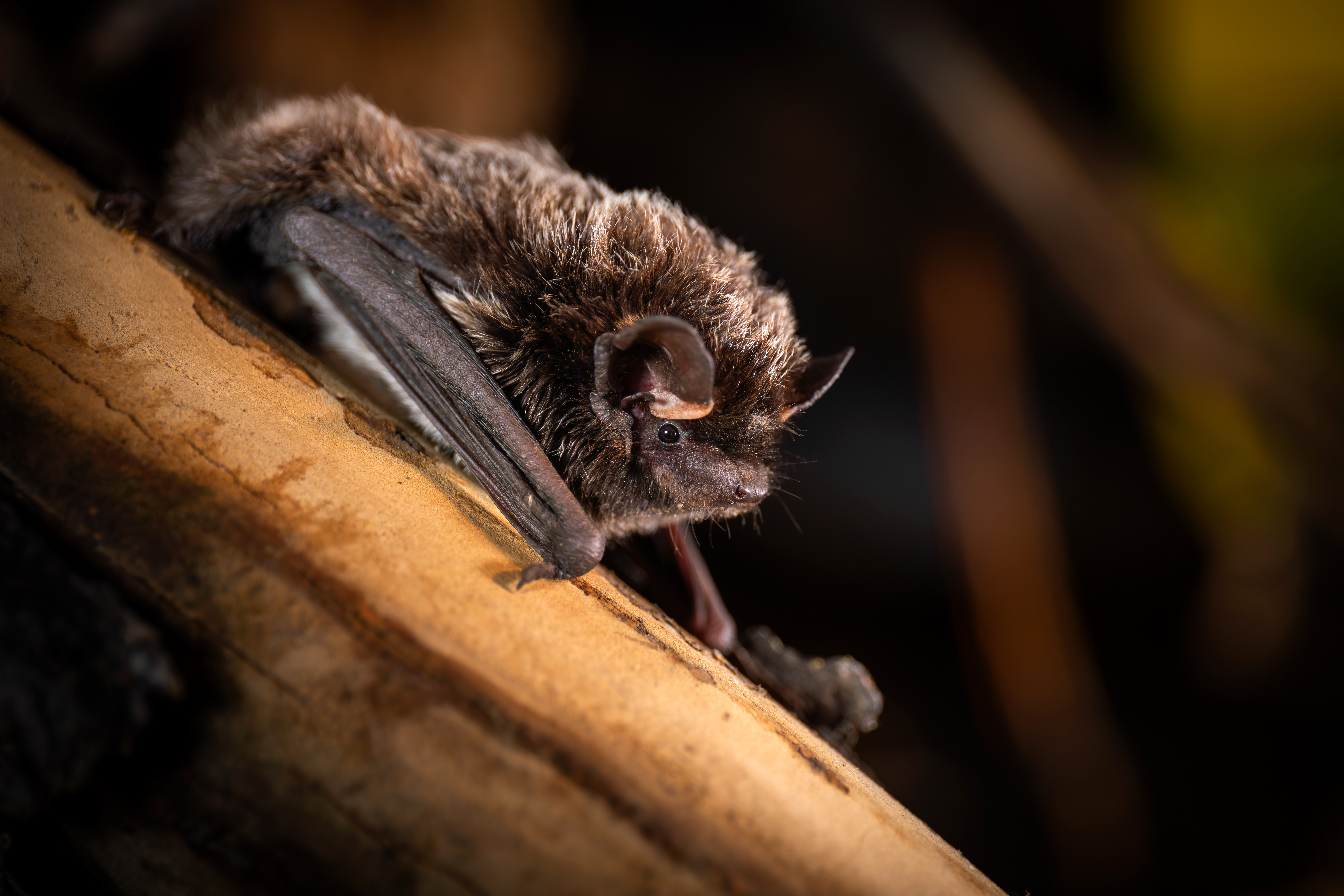
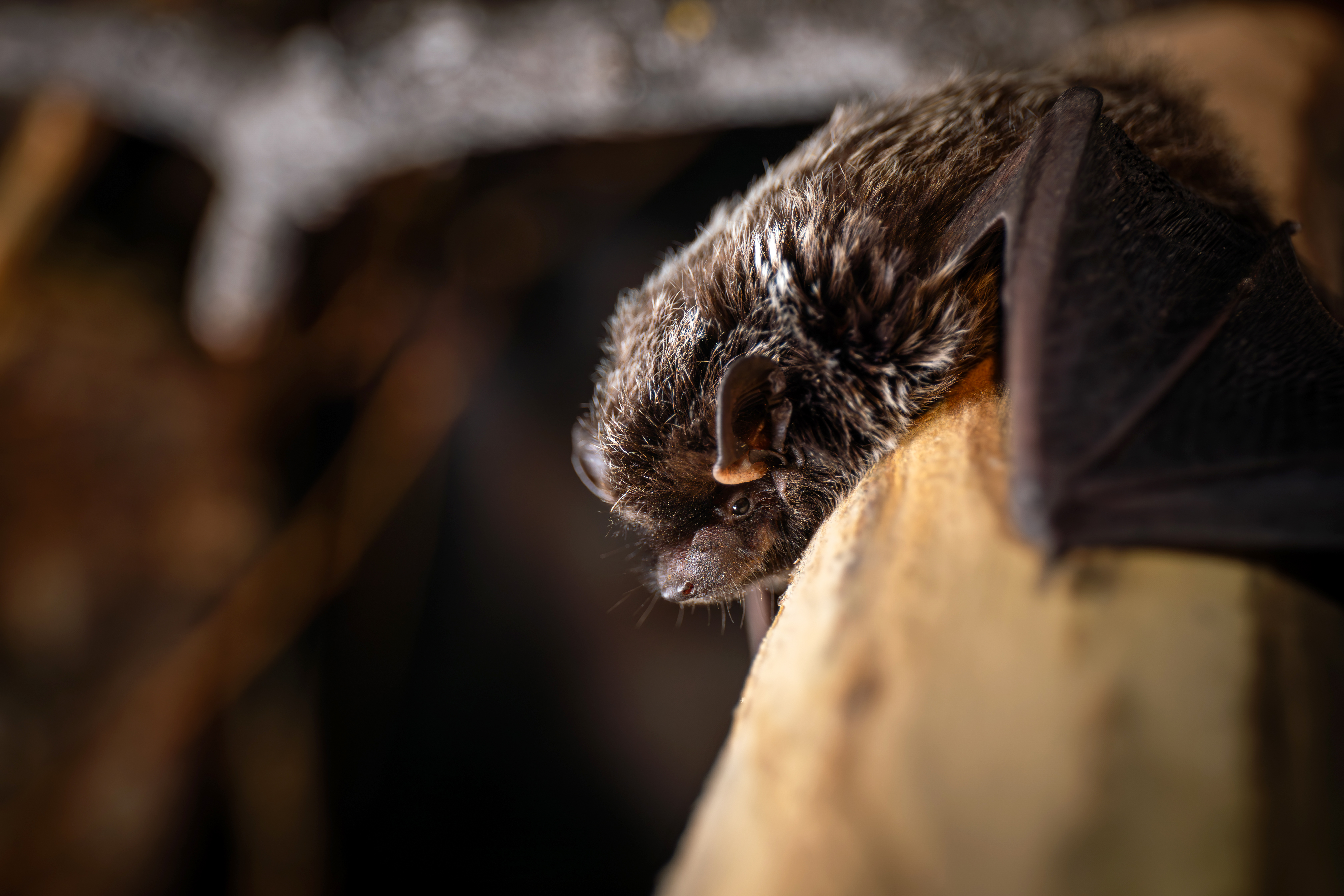
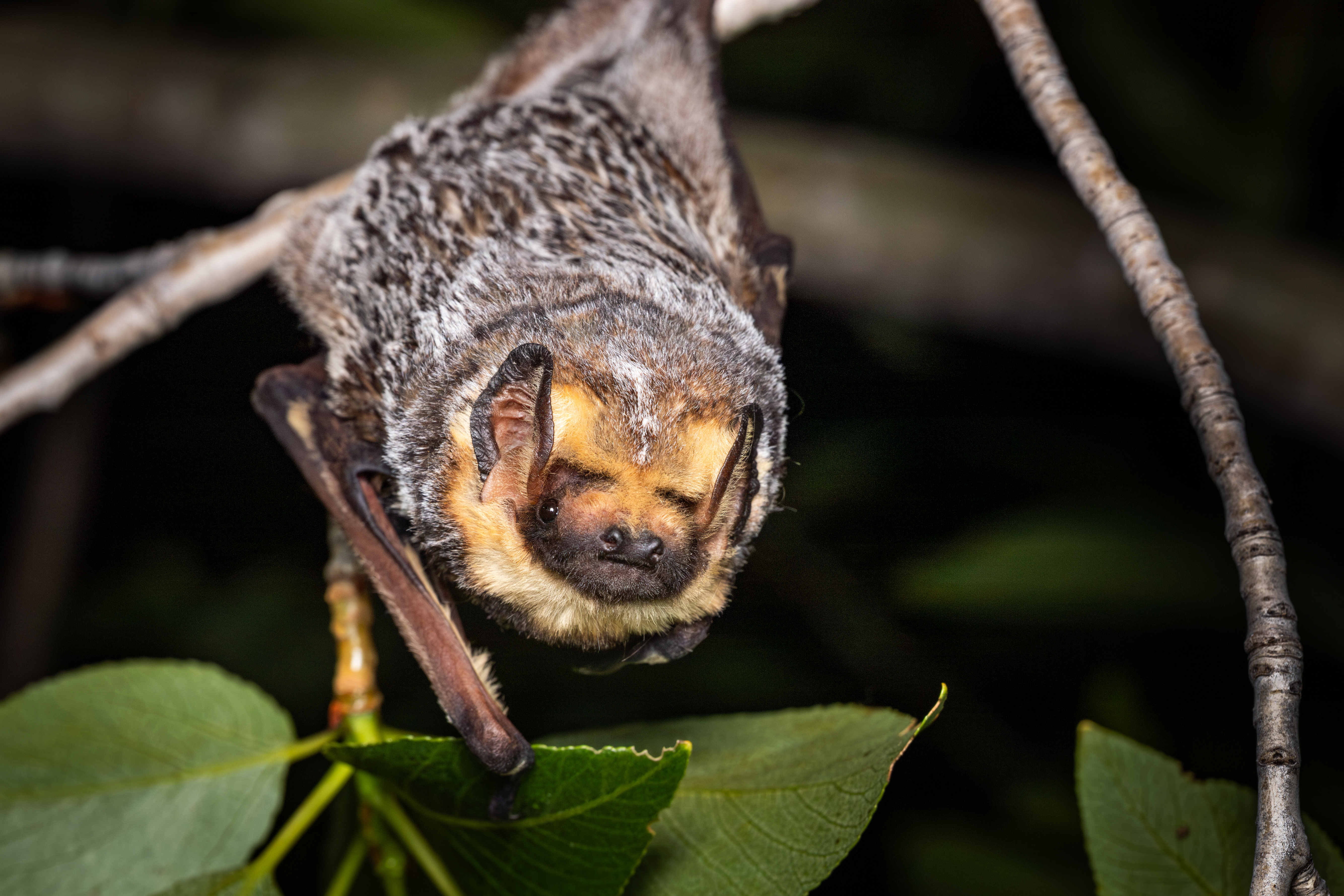
Hoary and silver-haired bats.
These are the two species most often lost at wind farms in Alberta, and the reason this page exists. Every image is free to download at full resolution, big enough to print and frame, under CC BY-NC 4.0. Click or tap any photo and the full-resolution file (up to 22 MB) downloads immediately.
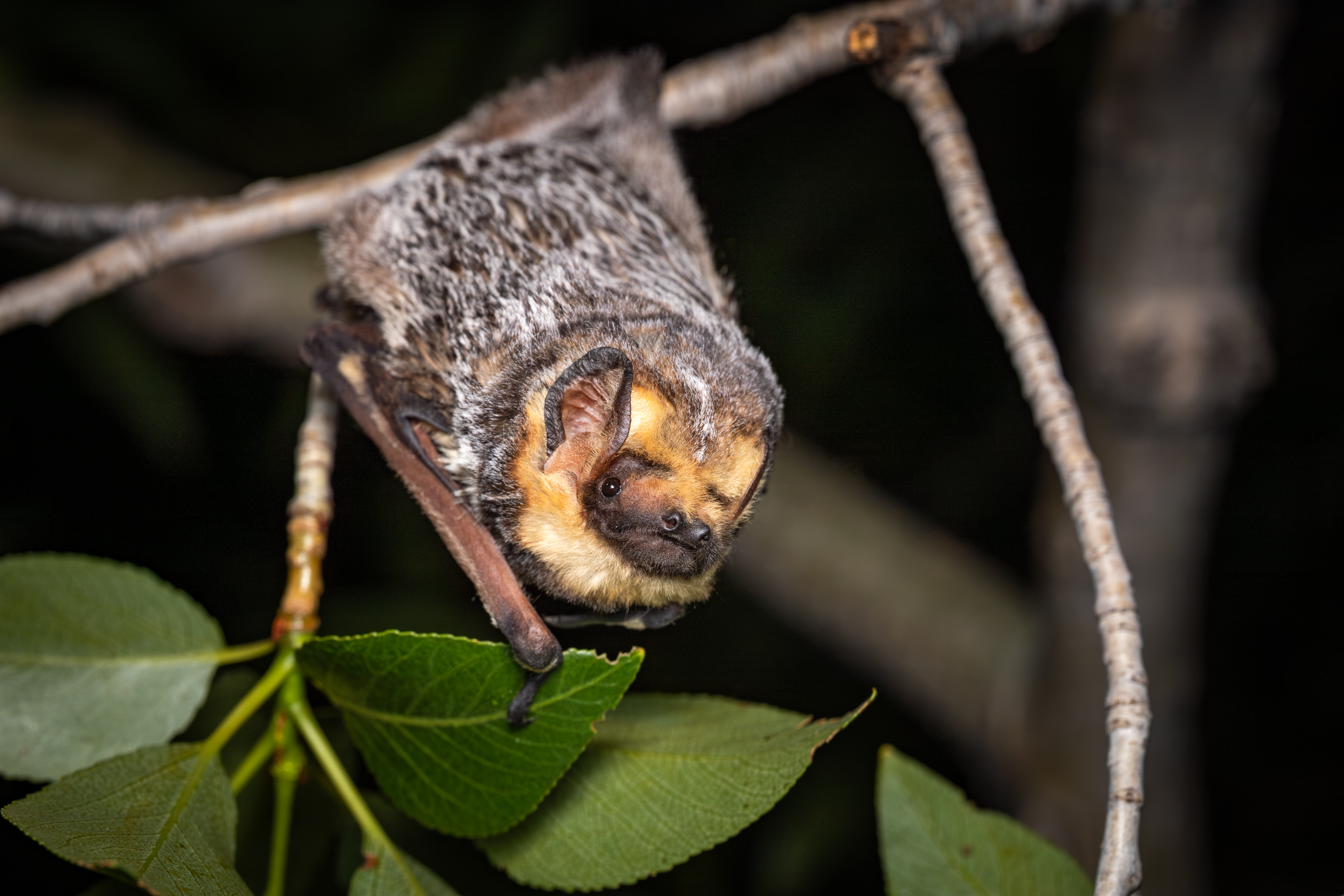
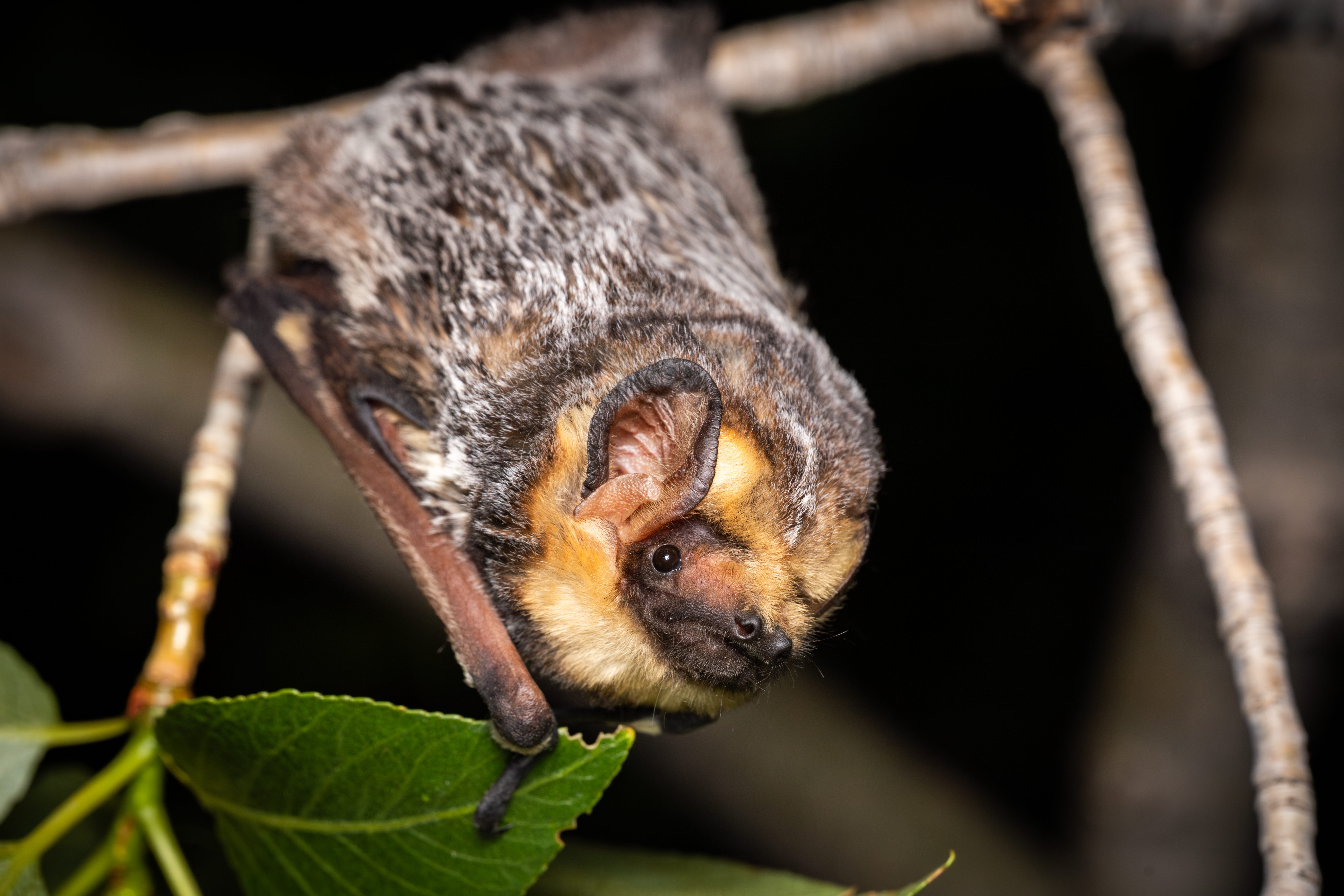
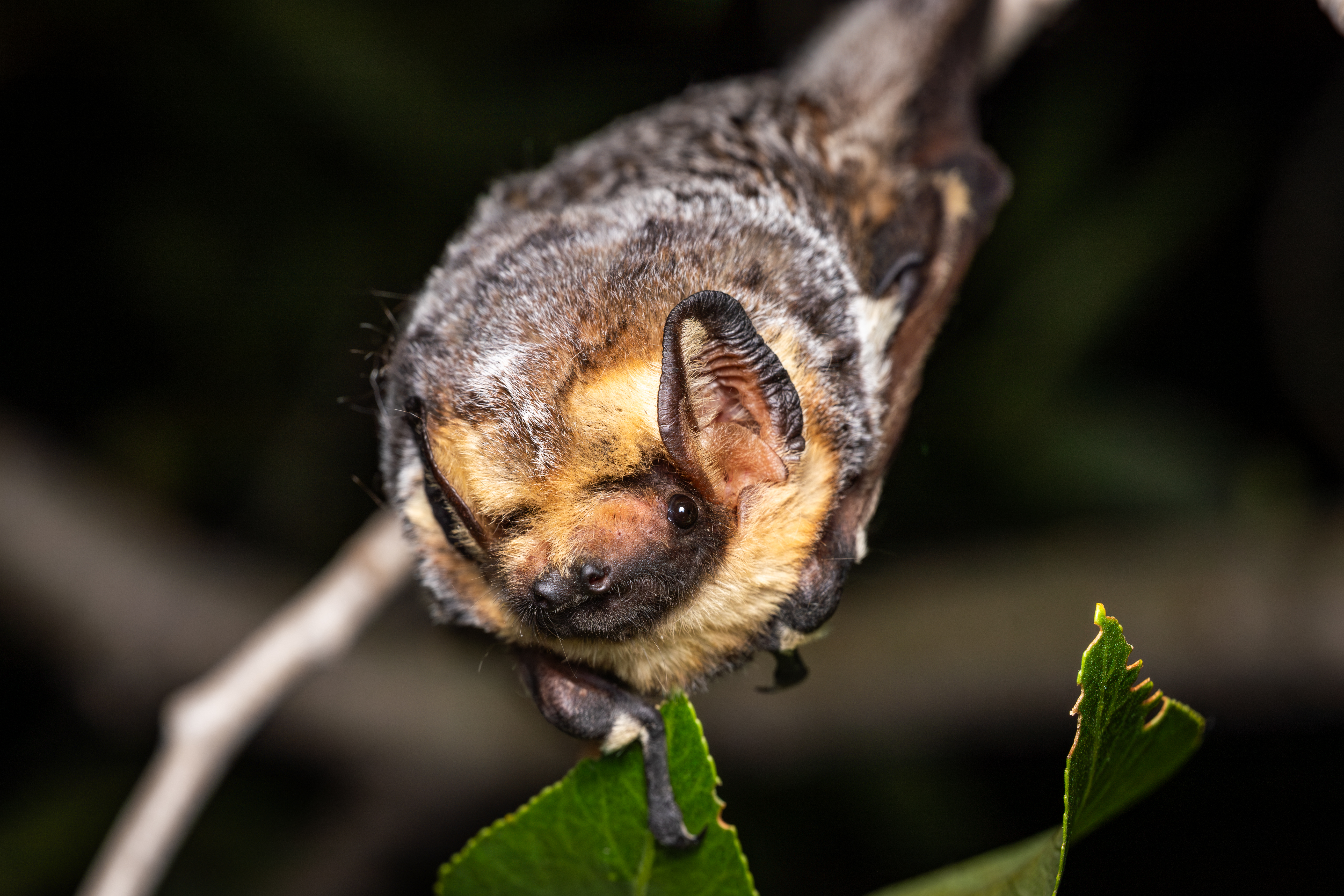
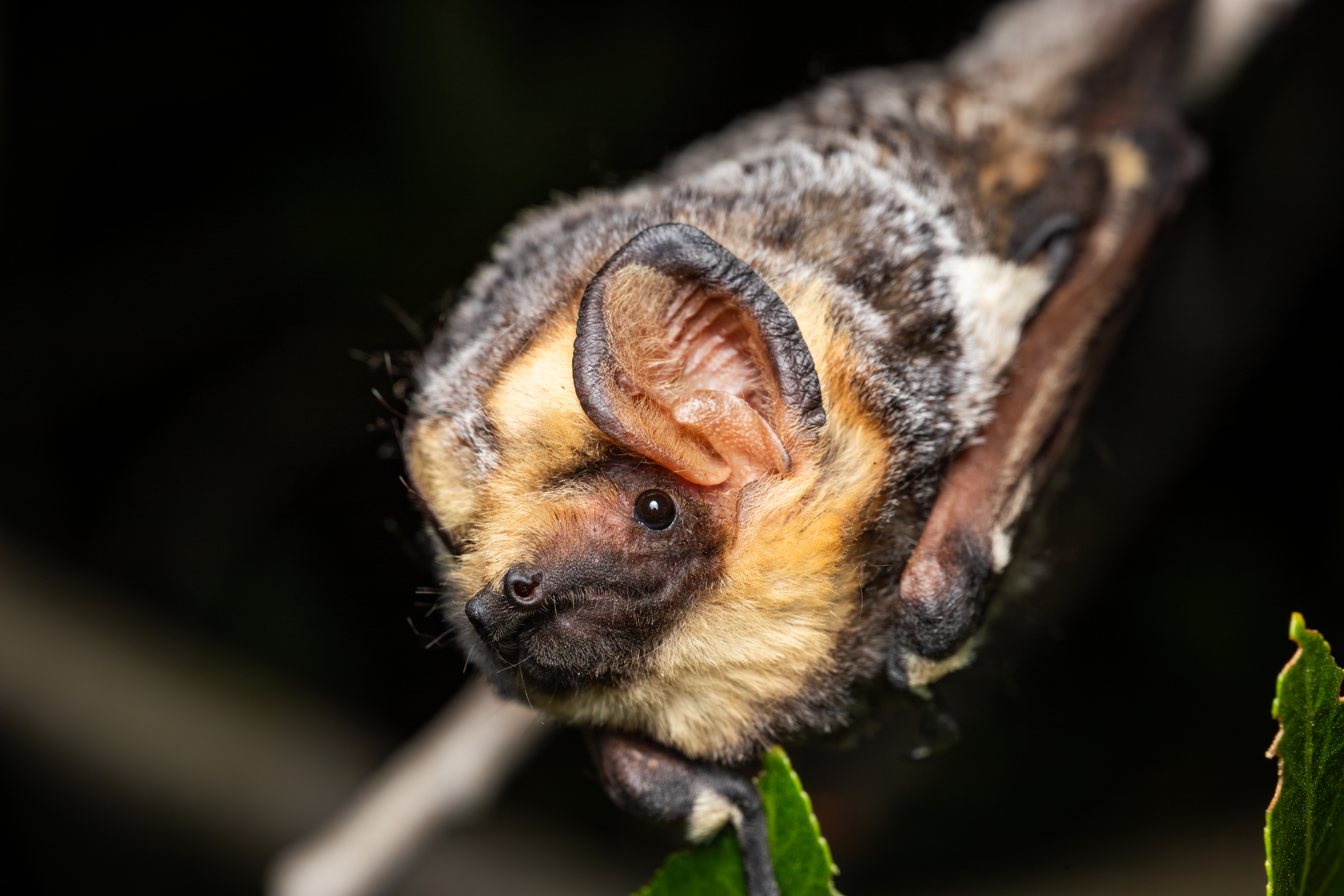
What CC BY-NC 4.0 means for you
- Free to use, share and adapt for non-commercial purposes, including conservation, education, research, outreach and personal prints.
- Commercial use, including advertising, products and resale, requires a separate licence. Get in touch to discuss your intended use.
Using one? Credit it as follows, and note any changes you make: Photo: Jason Headley / Myotis Lens Environmental, CC BY-NC 4.0
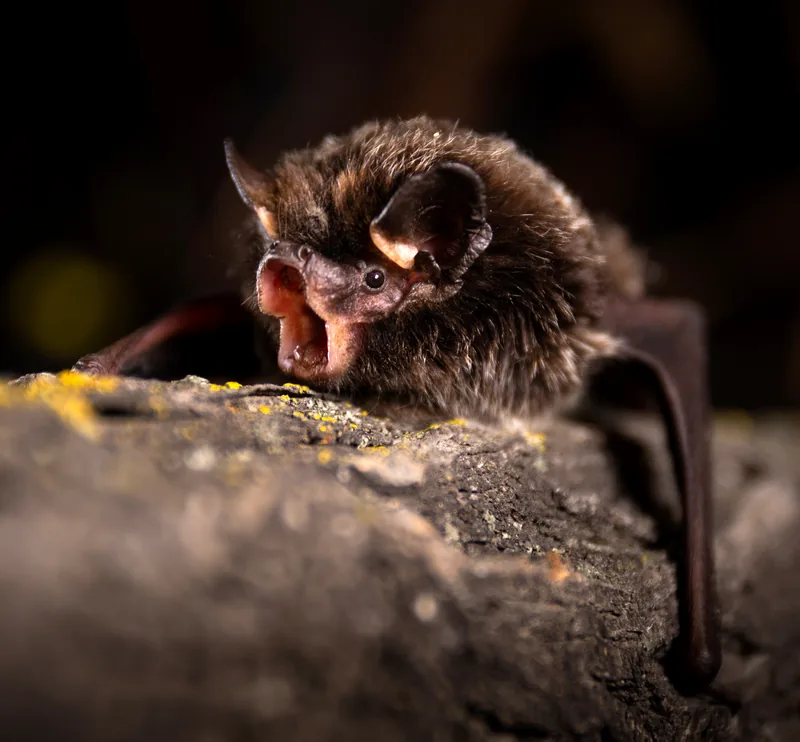
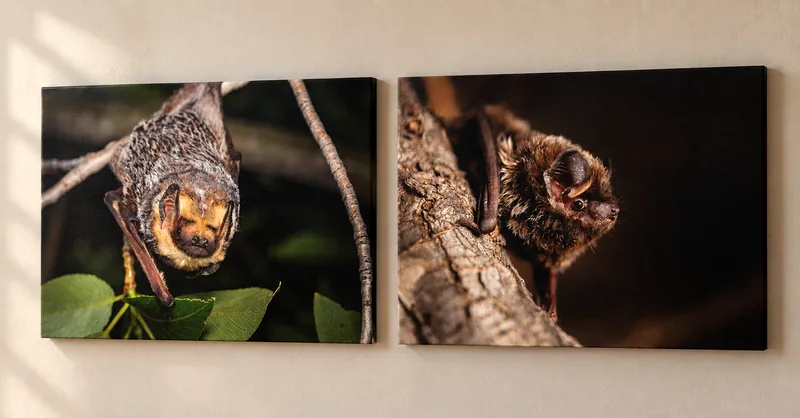
The photography is free. The bats are the point.
The bat photos above are free to download at full resolution, for conservation, education, and canvases on your walls (if you so choose). If one earns a spot there, an optional tip supports my bat conservation work, including photography and free public tools like Lasionyx. Looking for other species? Explore more than 63,800 observations on iNaturalist, with photographs available under the same licence at smaller web sizes.
Contributions are optional. Official charitable donation receipts are not issued.